What happens when somebody needs a clear medical next step and your phone is at 9%, the signal is weak, or stress is making search worse?
That is the real case for keeping a printed medical reference at home.
Get new posts
One email when something useful drops.
The point is not to pretend a book replaces a doctor or emergency care. The point is to have one calm place to start before a rushed moment turns into guessing, scrolling, or a bad call under pressure.
A printed guide will never beat search when conditions are perfect. It can still beat search when the battery is low, the connection is weak, or nobody has time to compare ten tabs.
What you can check first
See the package before you decide
A quick look at the package, a couple of inside previews, and the refund terms so you can judge whether this feels real and useful for your house.
Sneak peek
A quick visual look before you decide
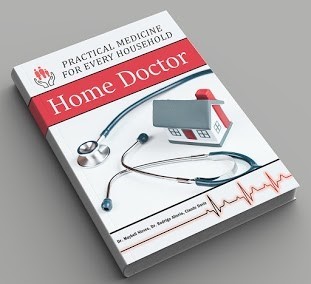
Package
Official package image
A clean package shot from the official seller materials.
- Shows the core guide as a real physical package
- Makes the offer feel less abstract before the click
- Gives the page a clear product identity right away
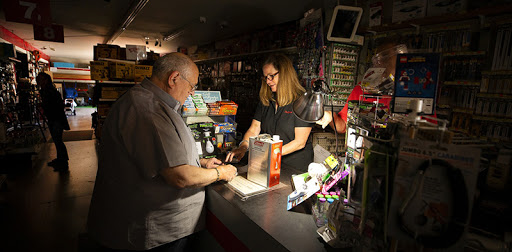
Inside the guide
Inside preview: blackout mistakes
An official interior preview that matches the strongest outage and weak-signal use case on this page.
- Strong alignment with storms, outages, and weak-signal scenarios
- Useful bridge from social posts into the decision page
- Reinforces why this is not just 'Google it later' content
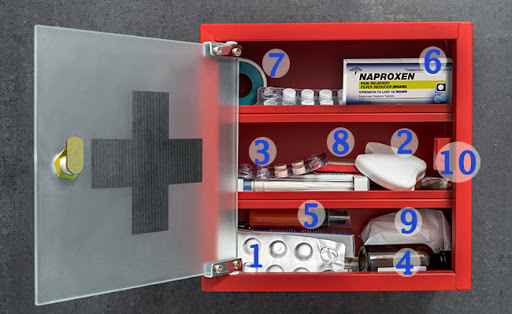
Inside the guide
Inside preview: household medical supplies
An official interior preview tied to one of the most practical household-use sections.
- Broad home-readiness fit
- Feels concrete instead of purely conceptual
- Supports the 'practical household reference' pitch
Refund terms
Risk-reversal visual
The official refund visual used to reinforce the 60-day money-back terms near the CTA.
- Supports the written refund and risk-reversal language
- Adds package realism beyond essays and bullets
- Useful supporting proof for a first-click buyer
What is included
The package in plain terms
Main format
304-page printed guide
The core product is positioned as a physical household reference you can keep nearby instead of treating it like one more file buried on a device.
Digital access
Digital copy included
The official FAQ says there is a digital version too, which matters if you want a phone, tablet, or laptop copy alongside the printed guide.
Bonus material
Two digital bonus guides
The current package is described as more than a single book, which makes the offer easier to picture as a compact household backup kit.
Risk reversal
60-day money-back window
The public refund wording gives you a real window to inspect the package and decide whether it deserves shelf space in your house.
Use-case comparison
Why this can feel more usable than “I will just search it”
When this helps
Printed reference nearby
Useful when the problem is friction, not the total absence of information.
- Someone can grab it without unlocking a device or juggling tabs
- The same reference stays visible even when one phone battery is low
- A calmer first place to start when the room is stressed
Where friction shows up
Phone plus search under stress
Search is powerful, but only when conditions are still good enough to use it well.
- Weak signal or battery changes what is practical
- Stress makes comparing ten search results harder than it sounds
- A rushed moment punishes tools that need perfect conditions
What you are deciding here
The useful question is not whether this feels exciting.
It is whether one printed household medical reference would make this house easier to manage when the phone battery is low, service is weak, or stress makes search worse.
That is the decision this page is built for. If the answer is yes, the official seller page is the next step. If the answer is no, that is useful to know before you click through.
What the official page says it covers
The official description and FAQ frame Home Doctor as a broad home reference, not a narrow first-aid pamphlet. The current package says it includes guidance on things like:
- common injuries, wounds, and infections
- recognizing and responding to urgent medical situations
- basic first-aid and emergency-response information for the home
- useful medical supplies and medications to keep around
- lower-resource sections for moments when conditions are worse than usual
That is the useful table-of-contents question: does this look like the kind of household reference you would actually keep nearby and open?
Why a physical reference still makes sense
People love to say, “I can just look it up.” Sometimes that is true. Sometimes it is not.
Phones die. Search results get noisy. Signals disappear. And even when the internet technically works, it is not always the cleanest way to make decisions when you are tired, rushed, or sharing one weak connection during a storm outage.
A printed reference does not beat the internet in perfect conditions. It can still beat the internet when the real problem is friction.
What happens after purchase
The official FAQ gives a clearer after-purchase picture than most pages in this niche:
- the purchase is described as a one-time buy, not a subscription
- the digital version is described as immediate access
- the physical version is described as shipping based on location, usually days to a couple of weeks
- the seller page shows the current package details before you commit
That is useful because it answers the normal buyer question: “What actually happens if I buy this today?” You are not being asked to click into a mystery box.
Refund window and the actual risk
The official seller page and refund language both state a 60-day money-back window.
That does not make the decision automatic, but it does lower the risk. The practical question becomes: is this guide likely to be useful enough to earn a place on your shelf, in a drawer, or with the rest of your backup basics?
Who this is actually for
This kind of printed guide makes the most sense for:
- people who want a more capable home without turning preparedness into a full-time hobby
- families who think about storms, outages, travel, or rural distance from services
- readers who like the idea of being less dependent on perfect conditions
- anyone who wants a backup reference they can keep on a shelf and understand quickly
Who should skip it
Skip this if you want:
- a replacement for emergency services, a doctor, or professional judgment
- a magic object that removes hard calls from medical situations
- something you are unlikely to keep nearby and actually open when conditions get messy
- a dramatic prepper purchase that is more about mood than everyday usefulness
That last point matters. Home Doctor makes the most sense as a calmer first-read household backup, not as identity gear.
The reasonable objection: “Couldn’t I just use my phone?”
Sometimes, yes.
But this kind of backup is for the moments when the phone is the weak point. Low battery. Weak signal. Slow internet. Too much stress to sort good advice from bad advice quickly.
A shelf reference can be faster to grab, easier to share across the house, and easier to use under pressure than bouncing between tabs on one phone.
That does not make it magic. It just makes it practical.
Before you open the official page
The next click should answer one practical question: do you want one printed household reference nearby so a weak signal, dead phone, or rushed moment is not your whole plan?
This is a stronger fit if you want:
- one physical guide you can keep with the rest of your home backup shelf
- a calmer first preparedness purchase that feels usable in ordinary life
- a seller page where you can verify the current package, formats, and refund window for yourself before deciding
It is a weaker fit if you want:
- a replacement for professional care
- a magic fix that removes judgment from difficult situations
- something you are unlikely to keep nearby and actually open when conditions are worse than ideal
If that sounds like the kind of backup you want in the house, the official page is the next step. If not, skip it without guilt and keep looking for the kind of backup that actually fits your home.
Get new posts
One email when something useful drops.